If you’re tired of wrestling with traditional mops and chemical-heavy cleaners, the Shark Steam Pocket Mop offers a refreshing alternative for homeowners serious about cleaner floors. This handheld steam mop uses heat and water vapor to sanitize hard surfaces without relying on harsh detergents, a feature that appeals to anyone with kids, pets, or simple preferences for cleaner indoor air. Whether you’re tackling kitchen spills, bathroom tiles, or laminate flooring, understanding how the Shark Steam Pocket Mop works, its strengths, and its limitations will help you decide if it’s the right fit for your home. Let’s walk through what makes this tool worthy of consideration and how to get the best results.
Table of Contents
ToggleKey Takeaways
- The Shark Steam Pocket Mop sanitizes hard floors using pressurized steam (245°F+) without harsh chemicals, making it ideal for homes with kids, pets, or allergy sensitivities.
- Always use distilled water and perform monthly vinegar flushes to prevent mineral buildup and keep your Shark Steam Pocket Mop’s steam output consistent.
- Steam cleaning works exceptionally well on tile and grout but requires caution on laminate, vinyl, and hardwood—test on hidden areas first to avoid warping or damage.
- The mop’s lightweight handheld design and quick 30–45 second heat-up time make it efficient for stairs and spot cleaning, though cord length limits range and frequent tank refills are needed for larger homes.
- With proper maintenance including cold-water washing of microfiber pads and upright storage, a Shark Steam Pocket Mop typically lasts 3–5 years under regular home use.
What Is the Shark Steam Pocket Mop?
Key Features and Design
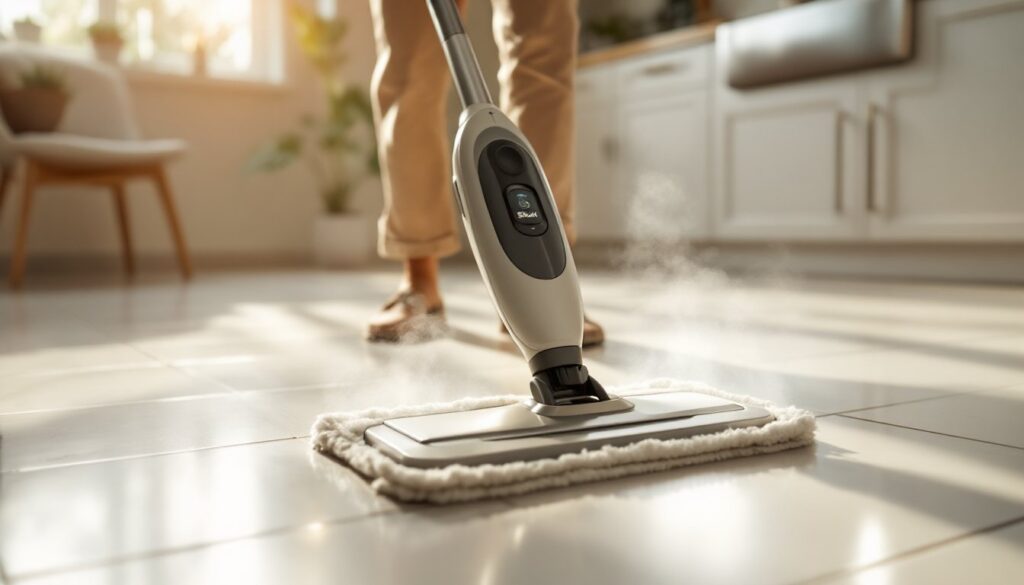
The Shark Steam Pocket Mop is a lightweight, handheld steam cleaning system designed to sanitize hard flooring without chemicals. Unlike traditional string mops or spin mops, it relies on pressurized steam (typically around 245°F or higher) to loosen dirt and kill bacteria on contact. The signature feature is its microfiber pocket design, replaceable microfiber pads that slide onto the mop head, allowing you to work through an entire home without swapping buckets or wringing out water by hand.
The Shark S3501 model, one of the popular iterations, includes a water tank that heats up in roughly 30 seconds, making it faster than traditional mopping setups. The mop head itself is rectangular and flat, about 11 inches wide, which fits into tight corners and along baseboards more easily than round alternatives. The handle is adjustable, letting you switch between an upright position (for general floor work) and a handheld angle (for stairs, walls, or spot cleaning). Most models include two to four microfiber pockets in the box, though you can purchase extras.
These mops connect to a power cord, they’re not battery-operated, so you’re tethered to an outlet. For smaller apartments or single-floor layouts, this isn’t a deal-breaker: for three-story homes, cord management matters.
Why Steam Cleaning Matters for Your Home
Steam cleaning kills germs and bacteria without bleach or ammonia, which is a genuine advantage if you have respiratory sensitivities, young children, or pets that spend time on your floors. Studies show that steam above 160°F effectively reduces dust mites and sanitizes surfaces, important for households managing allergies. The heat also breaks down grease and grime faster than water alone, so you spend less elbow grease and fewer passes over stubborn spots.
There’s also the environmental angle. You’re not flushing chemical residue into your home’s air or down the drain, and microfiber pads are washable and reusable, cutting down on disposable mop pad waste. That said, steam cleaning isn’t a replacement for deep chemical disinfection in sterile environments (hospitals, food prep areas) where compliance with health codes matters. For everyday residential cleaning, it bridges the gap between surface tidiness and genuine sanitation in a way traditional wet mopping doesn’t always achieve.
How to Set Up and Use Your Shark Steam Pocket Mop
Getting started takes just a few minutes. Fill the tank with distilled water, tap water deposits minerals that cloud the steam vents over time, so don’t skip this step. Most reservoirs hold around 14 to 16 ounces, which gives you roughly 20 to 30 minutes of cleaning before a refill.
Plug in the unit and press the heating button: you’ll see an indicator light while it warms. Once ready (usually 30–45 seconds), the mop is pressurized and ready to use. Attach a microfiber pocket to the mop head, and you’re set.
The workflow is straightforward:
- Press the steam trigger or button as you push the mop forward across your floor.
- The steam releases onto the microfiber pad, which absorbs dirt and moisture.
- Move steadily across the surface, no need to scrub hard: let the steam do the work.
- For stubborn spots (dried coffee, pet accidents), hold the mop in place and trigger steam multiple times to saturate the area.
- Switch to a fresh microfiber pocket when the current one becomes saturated or heavily soiled.
- After mopping, drape used pads over a rack or chair to air-dry before tossing them in the wash.
One practical tip: mop in a direction that guides dirty water toward a baseboard or threshold, not toward a wall or furniture. The steam creates moisture, and pooling water near drywall or under cabinets invites mold or rot.
Performance on Different Floor Types
Hard tile and stone: Steam mops excel here. Tile is nonporous and heat-resistant, so high-pressure steam effectively kills bacteria hiding in grout lines. Granite and sealed marble also handle steam well, though always check your stone’s sealing status first, unsealed marble can stain with repeated moisture.
Laminate and vinyl: Use caution. While modern laminate and vinyl planking are more moisture-resistant than older generations, excessive steam can seep into seams and cause warping or separation. Use short bursts rather than prolonged steam trigger pulls, and avoid standing water. If you own older laminate from the early 2000s, skip the steam mop, traditional mopping with a damp (not wet) cloth is safer.
Hardwood: This is where many homeowners hesitate, and rightfully so. Solid hardwood floors are sensitive to moisture. Even waterproof finishes can fail if steam repeatedly saturates the same area. If your hardwood is factory-finished with a polyurethane or polyacrylic seal, a quick pass with minimal steam on the trigger can work, but don’t linger. For engineered hardwood with a thin veneer, the risk isn’t worth it.
Area rugs and carpets: Not recommended. Steam mops are designed for hard surfaces, and trapping moisture in rug backing invites mildew.
Consultants at restoration firms and flooring showrooms often recommend testing steam mops on a hidden corner of your least-visible floor before committing to regular use.
Pros and Cons You Should Know
Advantages:
- No chemical cleaners needed: steam alone sanitizes and deodorizes.
- Fast heat-up time (30–45 seconds) means less standing around waiting.
- Lightweight and easy to maneuver, especially the handheld mode for stairs or tight spaces.
- Microfiber pads are washable and cost less per pad than disposable alternatives.
- Effective on grout and tile, better than string mops for stubborn buildup.
- Quiet operation, unlike some heavy-duty floor cleaners.
Disadvantages:
- Cord length limits range: you’ll need access to outlets throughout your home.
- High moisture output can damage laminate, engineered wood, or unsealed flooring without careful technique.
- Tank capacity is modest, requiring frequent refills for large homes or apartments.
- Steam vents can clog if you use tap water: distilled water is essential (a recurring cost).
- Not suitable for carpet or area rugs.
- Microfiber pads can pill or wear out after 30–50 washes if you use hot water or fabric softener.
Compare this reality against your home’s layout and flooring type. For a 1,500-square-foot apartment with mostly tile and vinyl, a Shark steam pocket mop is a practical investment. For a multi-story home with hardwood and area rugs, a traditional spin mop or hybrid approach may better suit your needs.
Maintenance Tips to Keep Your Mop in Top Shape
Longevity depends on how you care for the unit. Always use distilled water, never tap water or mineral-heavy well water. Every month, run a cycle with a mixture of one part white vinegar and three parts distilled water through the tank to dissolve mineral deposits inside the heating chamber. This keeps steam output consistent and prevents clogging.
After each use, empty any remaining water from the tank and leave the cap off to allow evaporation. This prevents bacterial growth in a stagnant tank between sessions. Microfiber pads should be washed in cold or warm water, avoid hot water and fabric softener, which degrade the fibers. Tumble-dry on low heat or air-dry for best results.
Check the steam trigger and release valve monthly for mineral buildup: a cotton swab with a bit of vinegar can clear minor blockages. If steam output suddenly drops or sputters, mineral accumulation is likely the culprit, the vinegar flush should resolve it.
Store the mop upright in a dry closet or garage. Don’t leave it sitting in a damp basement or expose the power cord to moisture that promotes corrosion. Many homeowners skip this storage step and end up with a unit that won’t heat properly after a few months, preventive care saves frustration and money.
Industry experience shows that a well-maintained steam mop lasts 3 to 5 years with regular home use. Pros who use them daily for commercial jobs often replace units annually due to heavier wear.