A quality range hood isn’t just a kitchen accessory, it’s essential equipment that keeps your cooking space comfortable, odor-free, and healthy. Whether you’re renovating a kitchen or upgrading outdated ventilation, choosing the right range hood can feel overwhelming with so many options available. ZLINE range hoods have gained traction among homeowners and DIY enthusiasts for combining sleek design with reliable performance at competitive price points. This guide walks you through what sets ZLINE apart, the different models available (including the popular ZLINE 30 inch range hood), installation considerations, and maintenance tips to keep your investment running smoothly for years to come.
Table of Contents
ToggleKey Takeaways
- ZLINE range hoods combine sleek contemporary design with reliable ventilation at competitive prices, delivering 400–1,200 CFM depending on size and configuration.
- Proper installation height (24–30 inches for electric, 28–36 inches for gas) and correct ductwork sizing (6–7 inches for a ZLINE 30 inch range hood) are critical to maximize performance.
- Monthly filter cleaning and semi-annual fan blade inspection prevent airflow decline and keep your ZLINE range hood performing efficiently for over 10 years.
- Choose between ducted (more effective, expels air outside) or ductless (easier installation, less powerful) ventilation based on your kitchen layout and cooking needs.
- Under-cabinet, wall-mounted, island, and chimney-style configurations allow ZLINE range hoods to fit diverse kitchen designs without requiring professional installation in most cases.
What Makes ZLINE Range Hoods Stand Out in the Market
ZLINE has carved out a solid reputation in the mid-range appliance market by focusing on contemporary design without premium pricing. Their range hoods emphasize stainless steel construction, high CFM (cubic feet per minute) ratings for powerful ventilation, and relatively straightforward installation, appealing to homeowners who want professional-looking results without hiring a contractor.
The brand offers several advantages. First, ZLINE hoods pull air efficiently: most models deliver between 400 and 1,200 CFM depending on size and ductwork configuration. Second, they use quiet motors: many units run at acceptable noise levels (50–70 decibels) even at full speed. Third, their designs work in contemporary, modern, and transitional kitchens, clean lines and minimalist aesthetics rather than over-the-top styling.
Pricing typically ranges from $300 to $1,500 depending on size, ducting type (under-cabinet, wall-mounted, or island), and whether you choose a standard model or one with additional features like remote controls or variable-speed motors.
Key Features and Design Elements
Most ZLINE range hoods include brushed stainless steel exteriors that resist fingerprints better than polished finishes. The motors are generally 120V and don’t require hard-wiring: they plug into a standard outlet. Baffle filters (removable trays that trap grease) are easier to clean than mesh screens, just pop them out, wash with hot soapy water or run them through the dishwasher, and reinstall.
Ventilation options matter. Ducted models expel air outside through roof or wall penetrations, which is more effective for serious cooking. Ductless (recirculating) models filter air and return it to the kitchen, which is simpler to install but less powerful. Ducted is almost always the better choice if your kitchen layout permits it.
Types of ZLINE Range Hoods to Consider for Your Kitchen
ZLINE manufactures several hood styles: choosing the right one depends on your cooktop location, counter height, and kitchen layout.
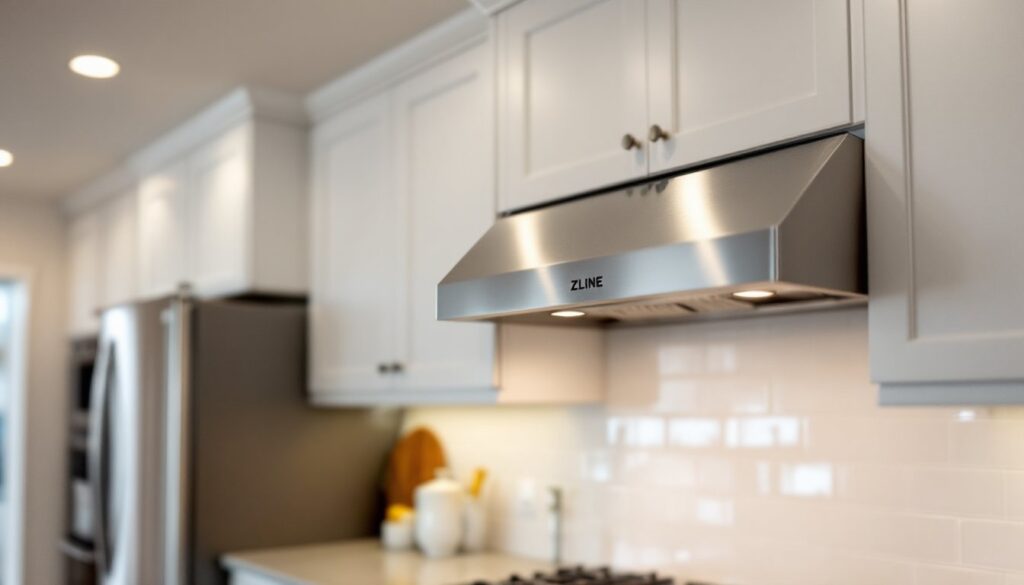
Under-Cabinet Hoods: These mount directly to the underside of a cabinet above your cooktop, saving wall space and working well in galley kitchens or when counter space is tight. The ZLINE 30 inch range hood is available in this style and fits standard 30-inch cooktops. Installation requires solid framing overhead and clearance for the motor housing.
Wall-Mounted Hoods: These extend from the wall behind your cooktop and work best when your stove is positioned against a wall. They’re more visible, so design matters: fortunately, ZLINE’s wall hoods come in multiple finishes (stainless, white, and black) to match cabinet colors.
Island Hoods: If your cooktop sits on a kitchen island, you’ll need a hood that descends from the ceiling and sits above the island. These are trickier to install because they require ceiling ductwork and often need electrical work above the island.
Chimney-Style Hoods: These resemble traditional range hoods with a tall vertical extension. They work over wall-mounted cooktops and make a strong design statement, though they take up more visual space.
When browsing options, reviewers and guides highlight how various models stack up: top-rated range hoods from ZLINE consistently appear in comparisons alongside other brands, making it easier to identify which configuration suits your kitchen. Most homeowners find standard range hood reviews helpful for side-by-side feature and performance breakdowns.
Installation and Placement Tips for Maximum Performance
Proper installation is where most ZLINE range hoods either succeed or disappoint. A poorly vented hood wastes power: a correctly installed one performs beautifully.
Height and Clearance: Mount the hood 24–30 inches above an electric cooktop and 28–36 inches above a gas cooktop (gas requires more clearance for flame). These heights allow adequate airflow without risking heat damage to the hood. Most building codes specify these minimums: check your local IRC (International Residential Code) or municipal building department, as requirements vary by jurisdiction.
Ductwork Sizing: For a ZLINE 30 inch range hood, use 6-inch or 7-inch diameter ductwork, never downsize to 5 inches, which chokes airflow. Straight ductwork is best: every elbow or bend reduces efficiency. If you must use elbows, minimize them and use smooth (not corrugated) ducts where possible.
Damper Installation: Always install a damper (check valve) in the ductwork just outside the wall or roof penetration. This prevents cold air and pests from entering when the hood isn’t running.
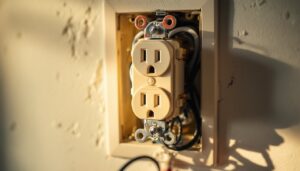
Electrical Considerations: Check whether your ZLINE model requires a dedicated 120V circuit. Most don’t, but some high-CFM units or those with variable speeds may. If unsure, consult an electrician. Installing a wall switch or remote control during rough-in wiring is far easier than retrofitting later.
Structural Support: Wall-mounted and under-cabinet hoods must anchor firmly to studs or solid framing, never rely on drywall anchors alone. Look for the mounting bracket instructions: they specify exact fastener type and stud placement.
For first-time installers, kitchen appliance placement guidance often includes ventilation setup tips, which can demystify the process and help avoid common mistakes.
Maintenance and Care for Long-Lasting Performance
A ZLINE range hood will run efficiently for 10+ years with basic care. Neglect it, and you’ll see airflow decline within months.
Filter Cleaning: Check baffle filters monthly if you cook frequently. Remove them, soak in hot soapy water for 10–15 minutes, scrub with a soft brush, rinse thoroughly, and let them air-dry before reinstalling. Some users pop them in the dishwasher on a delicate cycle, but hand-washing is gentler. A dirty filter is the #1 reason homeowners complain about weak ventilation.
Fan Blade Inspection: Once every six months, peek inside the motor housing (after powering off and waiting a few minutes) and look for dust accumulation on fan blades. Use a soft cloth to gently wipe blades clean. Don’t force anything: the motor is precision equipment.
Grease Trap: If your hood has an optional grease trap below the baffle, empty it weekly during heavy cooking seasons. Full traps reduce airflow and create fire hazard.
Exterior Cleaning: Wipe the stainless steel exterior monthly with a soft microfiber cloth and a stainless steel cleaner or mild soap and water. Avoid abrasive scrubbers that scratch the finish.
Ductwork Check: Every 1–2 years, inspect accessible ductwork for blockages, leaks, or damper sticking. A blocked damper is easily forgotten but drastically cuts performance.
Noise and Performance Changes: If the hood suddenly runs noisier or pulls less air, a clogged filter or blocked ductwork is usually the culprit. Start with filter cleaning: 90% of problems resolve there. If noise persists and the filter is clean, the motor bearing may be wearing, contact ZLINE support or a technician.
These small habits keep your hood performing like new and extend its lifespan well beyond the initial cost.
Conclusion
ZLINE range hoods deliver solid performance and attractive design without breaking the budget or requiring professional installation in most cases. Whether you’re choosing an under-cabinet model, a wall-mounted hood, or a ZLINE 30 inch range hood for a standard cooktop, the key to satisfaction lies in picking the right style for your layout, installing it correctly, and maintaining filters and ductwork regularly. With these fundamentals in place, you’ll enjoy a smoke-free, odor-free kitchen for years to come.